Proficiency in Medical Care (MCA)
Palma de Mallorca
MCA STCW Proficiency in Medical Care (A-VI/4-2)
Medical Care Course in Palma de Mallorca
Develop the confidence to lead medical emergencies at sea.
When serious illness or injury occurs onboard, help may be hours—or even days—away. The MCA STCW Proficiency in Medical Care course prepares Masters and designated shipboard personnel to assess, treat and manage medical emergencies until professional medical assistance or evacuation becomes available.
Delivered through an MCA-approved training provider, this intensive five-day programme combines the internationally recognised STCW competence requirements with practical, scenario-based learning to help you develop the clinical knowledge, practical skills and decision-making required to care for patients in the unique environment of life at sea.
Whether you work on a superyacht, commercial vessel, expedition ship, research vessel or offshore operation, this course is designed to help you respond confidently when your crew depends on you most.
Course Highlights
- ✔ MCA STCW Proficiency in Medical Care (A-VI/4-2)
- ✔ Five-day practical programme
- ✔ Delivered in Palma de Mallorca
- ✔ Small class sizes
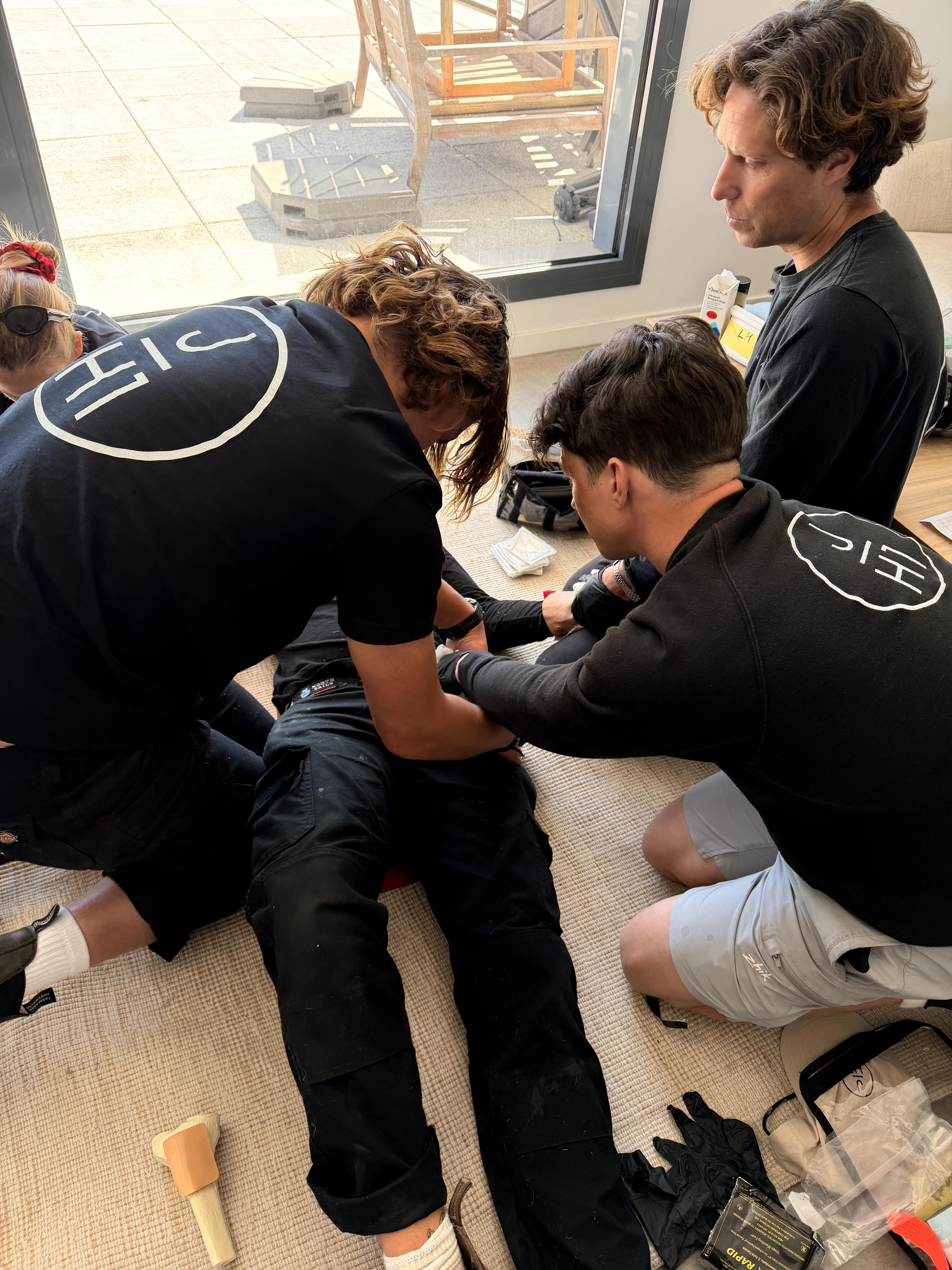
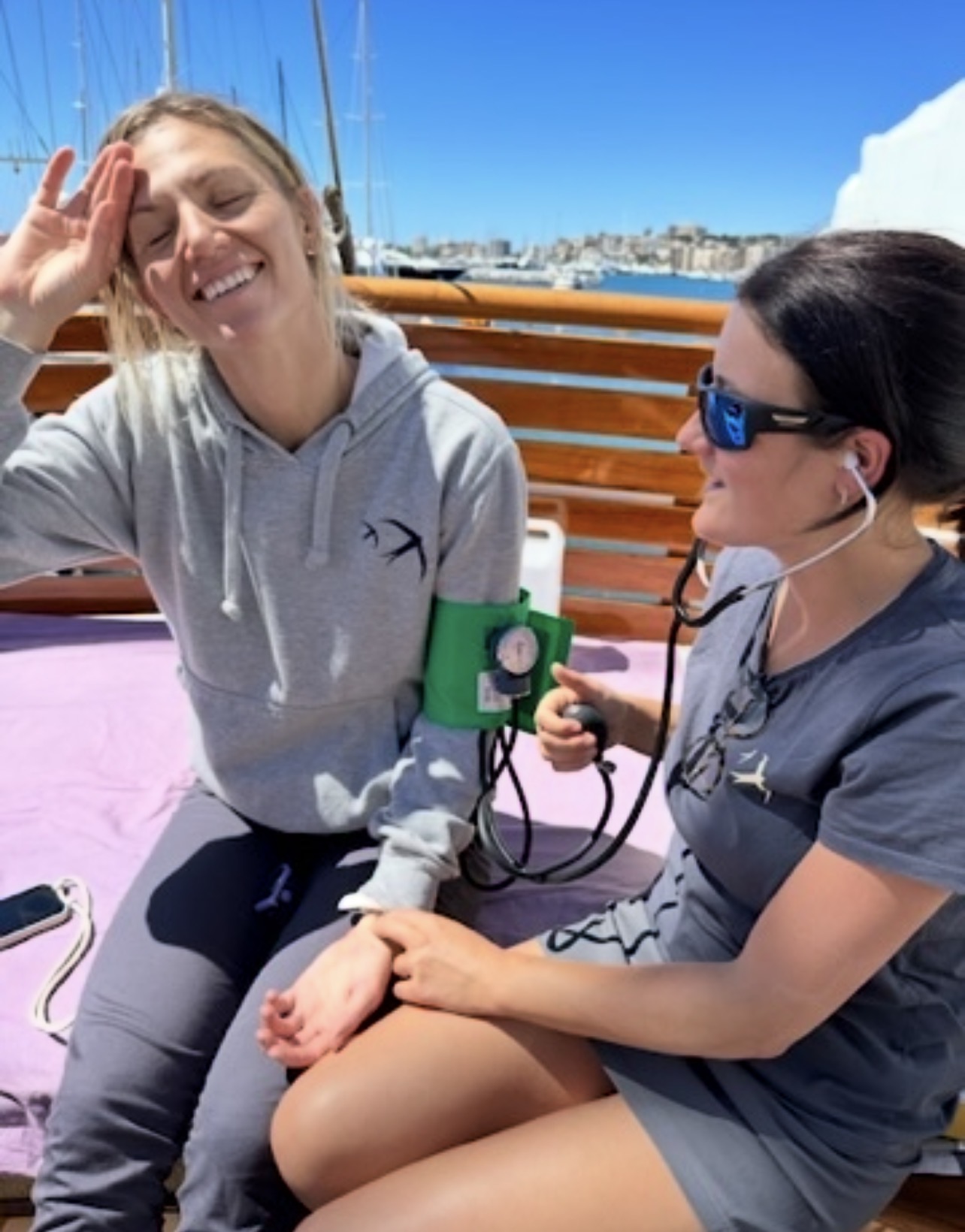
- ✔ Scenario-based learning
- ✔ Experienced maritime medical instructors
- ✔ Ideal for Masters, Chief Officers and designated Medical Officers
- ✔ Meets international STCW competency requirements
Book Your Course
What is MCA STCW Proficiency in Medical Care?
When a medical emergency occurs at sea, there is no emergency department just minutes away. A vessel may be operating hundreds of nautical miles from shore, evacuation may be delayed by weather or operational conditions, and the Master and crew are often responsible for managing the patient for many hours—or even several days—before professional medical assistance becomes available.
The MCA STCW Proficiency in Medical Care (A-VI/4-2) course is an advanced maritime medical training programme designed to prepare Masters and designated shipboard personnel to provide ongoing medical care in these challenging environments. It develops the knowledge, practical skills and clinical decision-making required to assess, treat, monitor and care for seriously ill or injured patients while at sea.
The course is based on the competency standards of the International Convention on Standards of Training, Certification and Watchkeeping for Seafarers (STCW), specifically Table A-VI/4-2, which sets the internationally recognised standard for medical care training for seafarers assigned responsibility for medical care onboard ship.
Unlike a conventional first aid course, Proficiency in Medical Care is not simply about providing immediate emergency treatment. It focuses on the continued management of patients until they can be transferred to a higher level of care. This means participants learn not only how to stabilise a casualty, but also how to monitor changes in their condition, administer medications safely, communicate with Telemedical Assistance Services (TMAS), maintain accurate medical records, and make informed decisions about evacuation and ongoing treatment.
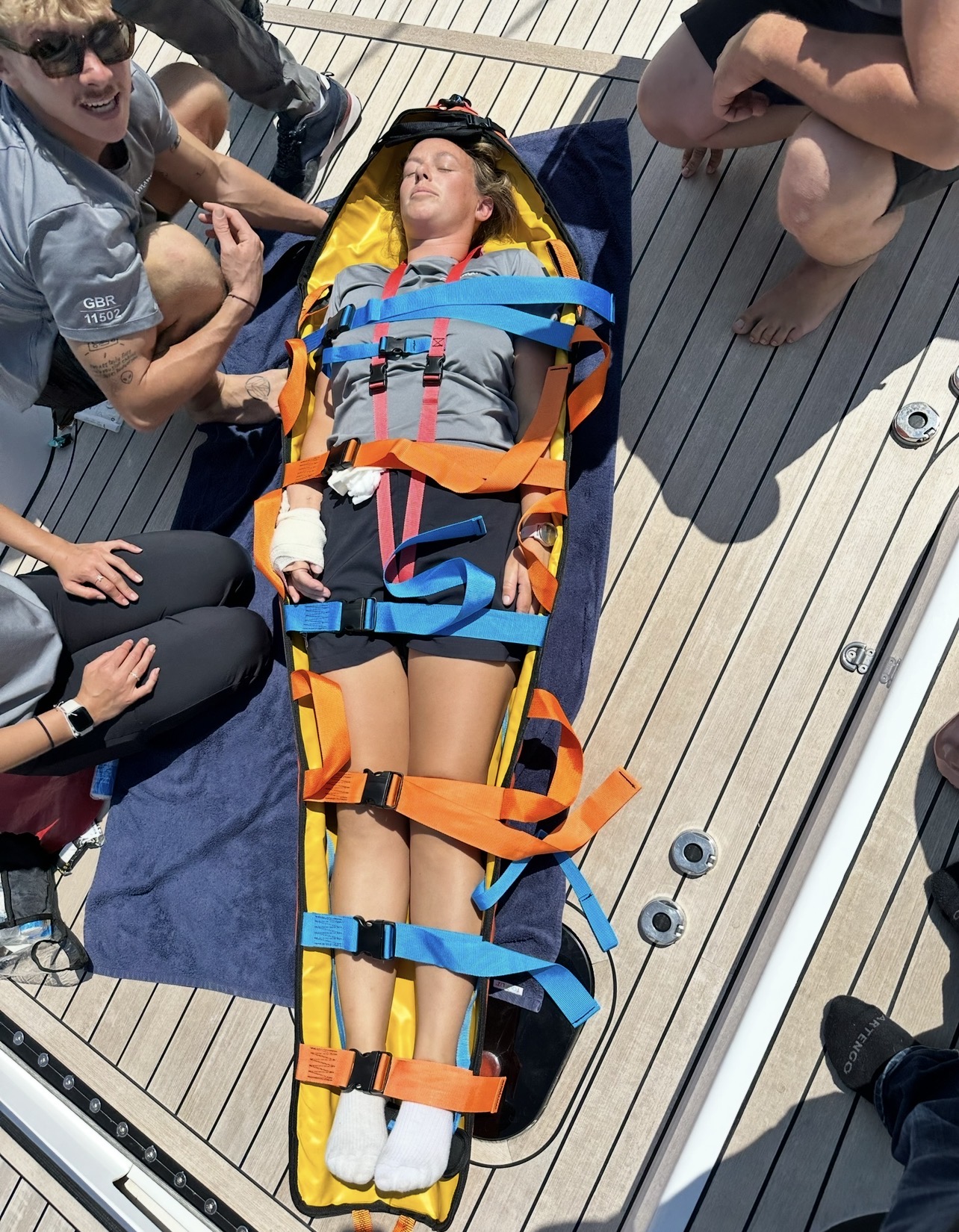
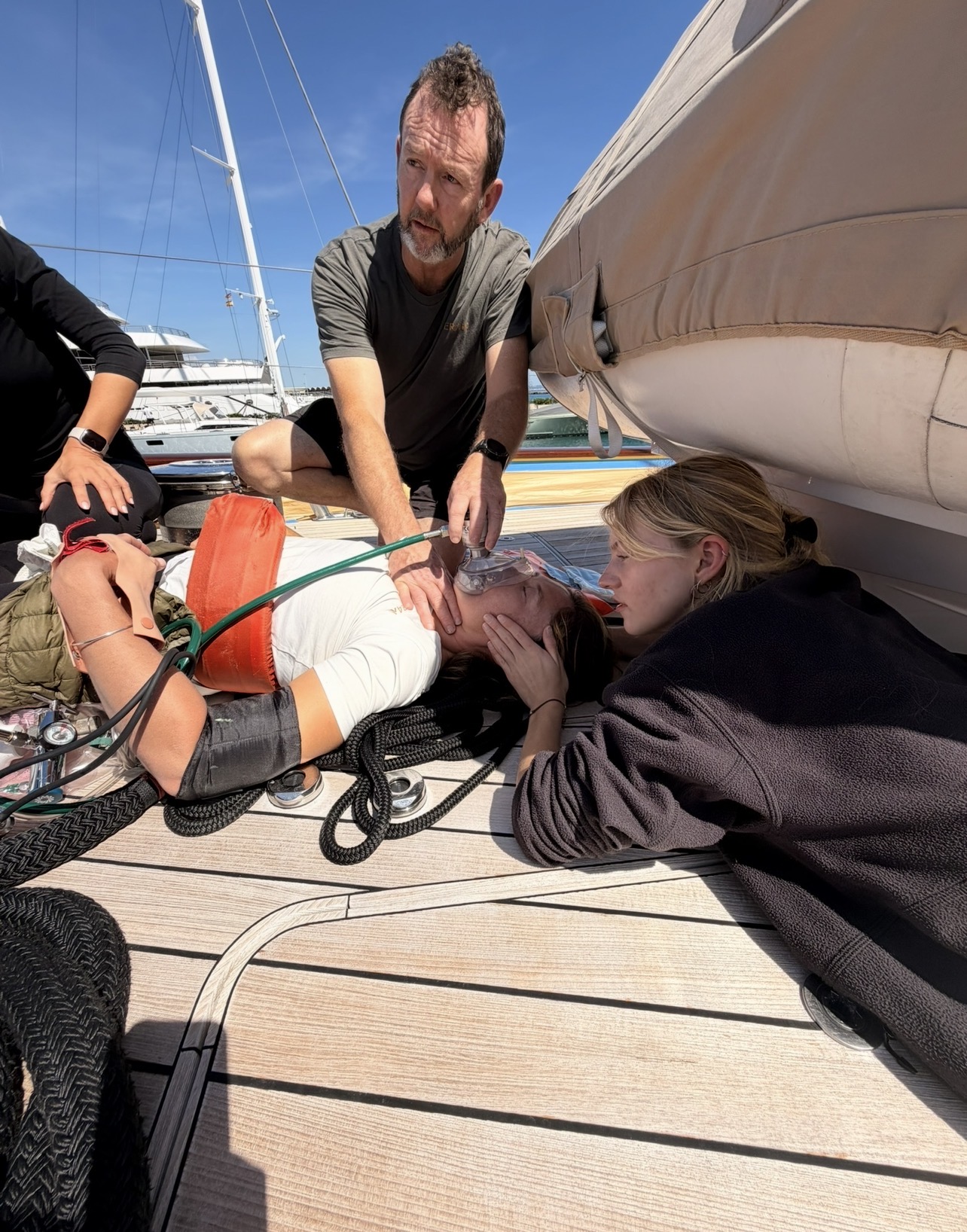
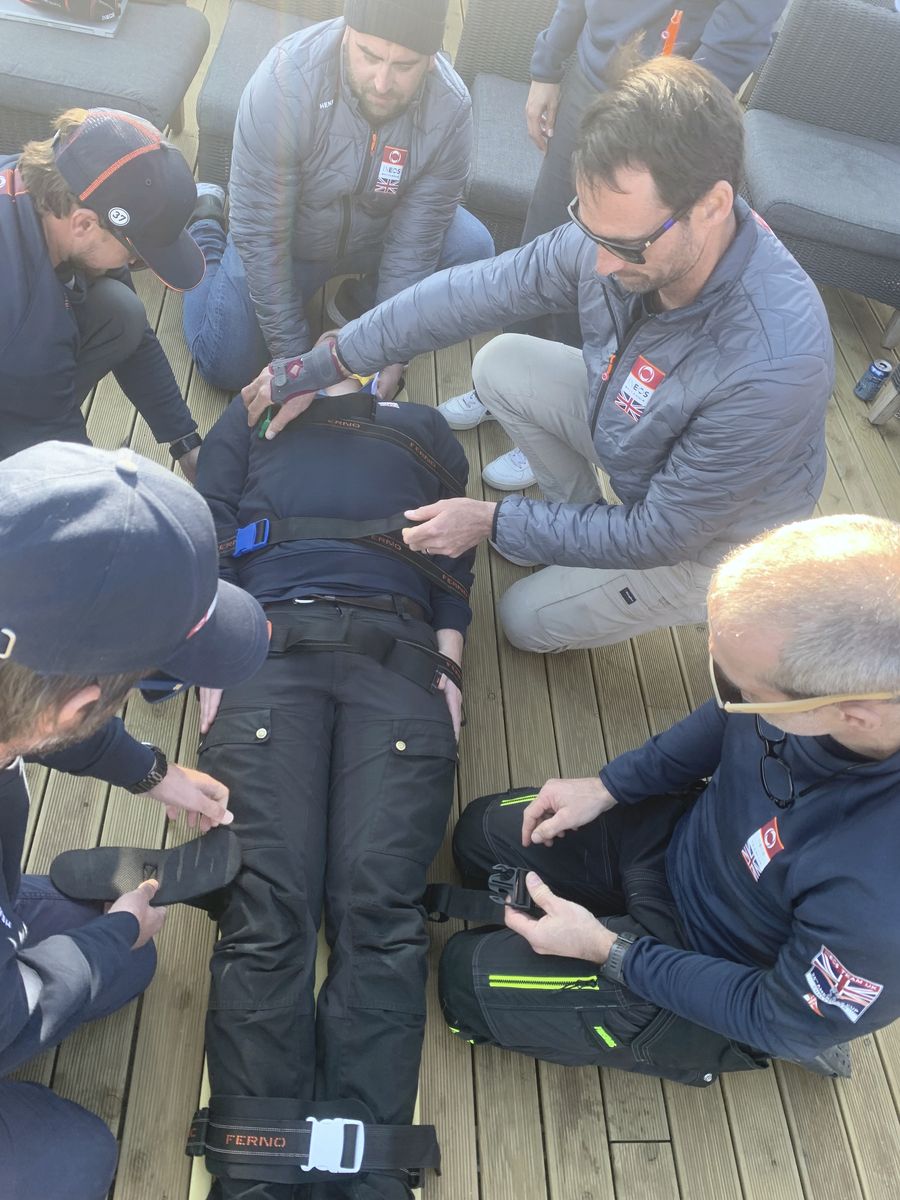
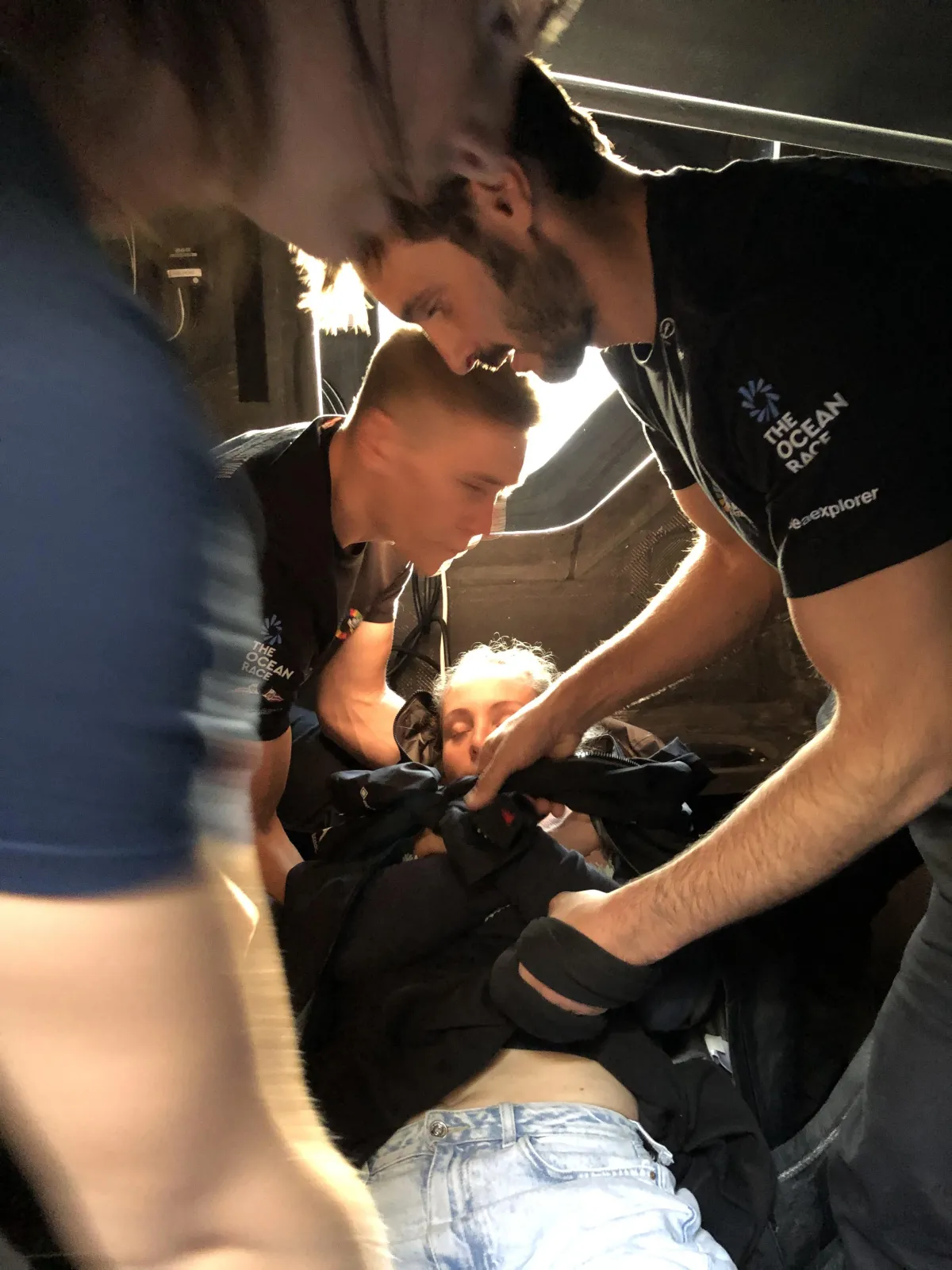
Throughout the programme, participants develop practical skills through realistic scenarios that reflect the challenges of life at sea. These scenarios encourage clinical reasoning, teamwork and leadership while working within the limitations of a shipboard environment.
For many Masters and senior officers, this qualification is more than a regulatory requirement—it is an essential part of protecting the health, safety and wellbeing of everyone onboard. The confidence gained through practical training can make a significant difference when managing medical emergencies in remote and isolated environments.
By the end of the course, participants should be better prepared to:
- Assess seriously ill or injured patients using a structured clinical approach.
- Recognise life-threatening conditions and initiate appropriate treatment.
- Safely use the ship's medical chest and onboard medical equipment.
- Provide ongoing nursing and medical care during extended passages.
- Communicate effectively with Telemedical Assistance Services (TMAS).
- Decide when continued onboard treatment is appropriate and when medical evacuation should be arranged.
- Maintain clear medical documentation and hand over patient information accurately.
- Lead the medical response during onboard emergencies while supporting both the patient and the wider crew.
Why is this course required?
International shipping operates across every ocean and in many remote regions where immediate medical assistance is unavailable. Recognising these challenges, the International Maritime Organization (IMO) developed the STCW Convention to establish minimum standards of competence for seafarers worldwide. One of those standards requires certain personnel to be trained in the provision of medical care onboard ship.
The MCA STCW Proficiency in Medical Care course supports these competency requirements by preparing designated personnel to manage medical emergencies safely and effectively until professional medical support or evacuation becomes available. The emphasis is not simply on technical procedures, but on sound clinical judgement, patient safety, communication and decision-making in a remote maritime environment.
Whether you are responsible for a crew of ten on a superyacht or hundreds of people on a commercial vessel, the principles remain the same: recognise illness early, provide appropriate treatment, monitor the patient's condition, seek expert advice when needed, and make informed decisions that protect life at sea.
Key Course Modules
- Onboard medical organisation and legal responsibilities
- Advanced life support and airway management
- Trauma assessment, fractures and wound care
- Recognition and treatment of common illnesses at sea
- Pharmacology, medications and controlled drugs
- Infection control and hygiene in the marine environment
- Telemedical consultation and remote decision-making
- Medical documentation, handover and reporting
Typical Daily Schedule
- 09:00–10:30 — Classroom theory and guided discussion
- 10:45–12:30 — Practical skill stations and scenarios
- 13:30–15:30 — Simulation-based training and drills
- 15:45–17:00 — Case studies, debrief and Q&A
Who Should Attend the MCA STCW Proficiency in Medical Care Course?
The MCA STCW Proficiency in Medical Care (A-VI/4-2) course is designed for seafarers who have responsibility for providing medical care onboard ship. Whether you are operating a commercial vessel, superyacht, expedition vessel or research ship, the course prepares you to assess, treat and manage medical emergencies when professional healthcare is not immediately available. Unlike shore-based healthcare, medical emergencies at sea require a combination of clinical knowledge, practical skills and sound judgement. The designated medical person onboard may be required to care for a patient for many hours—or even several days—before they reach definitive medical care.
This course is suitable for:
Masters (Captains)
As Master, you carry ultimate responsibility for the safety and wellbeing of everyone onboard. While many medical emergencies are straightforward, others require careful assessment, ongoing monitoring, consultation with Telemedical Assistance Services (TMAS), and difficult decisions about diversion or evacuation. This course provides the knowledge and confidence to lead the medical response while coordinating the wider operational and safety considerations of the vessel.
Chief Officers
Chief Officers are frequently designated as the vessel's Medical Officer and play a critical role in responding to illness and injury onboard. The course develops practical skills in patient assessment, medication administration, trauma management, medical documentation and ongoing patient care, helping Chief Officers respond confidently in challenging situations.
Superyacht Captains and Senior Crew
Superyachts often operate with small crews, extended passages and remote cruising itineraries. Medical emergencies may occur far from shore, with limited equipment and only the resources available onboard. This course prepares Captains and senior crew to manage a wide range of medical conditions while working closely with TMAS and making informed decisions about treatment and evacuation.
Commercial Shipping Officers
Officers serving on cargo vessels, tankers, ferries and passenger ships who are designated to provide medical care onboard require advanced medical training that meets the competency standards of the STCW Convention. The course focuses on practical decision-making in the operational environment of commercial shipping.
Expedition and Research Vessels
Scientific expeditions, exploration vessels and remote operations often work in isolated locations where evacuation may be significantly delayed. Participants learn how to manage patients during prolonged periods at sea while making the best use of onboard resources and remote medical advice.
Offshore Energy and Support Vessels
Personnel working in offshore industries may encounter traumatic injuries, environmental emergencies and acute medical conditions in locations where immediate evacuation is not always possible. The course prepares designated medical personnel to provide safe, effective care while coordinating with emergency response systems.
Anyone Designated to Provide Medical Care Onboard
If your role includes responsibility for the ship's medical chest, medical documentation, patient care or communication with Telemedical Assistance Services, this course provides the advanced knowledge and practical skills needed to fulfil those responsibilities with confidence.
Is this the right course for me?
You will benefit from this course if you:
- Are required to hold an MCA STCW Proficiency in Medical Care (A-VI/4-2) certificate.
- Have responsibility for medical care onboard ship.
- Want greater confidence managing medical emergencies at sea.
- Need to renew or update your medical knowledge and practical skills.
- Work on vessels operating offshore or in remote areas.
- Want practical, scenario-based training delivered by experienced maritime medical professionals.
Medical Care or Medical First Aid—which course do I need?
This is one of the most common questions we receive. The answer depends on your role onboard. Generally:
- Medical First Aid (STCW A-VI/4-1) is designed for officers responsible for providing immediate first aid following an accident or illness until more qualified help becomes available.
- Proficiency in Medical Care (STCW A-VI/4-2) is designed for Masters and designated personnel responsible for the ongoing medical management of patients, including the use of the ship's medical chest, administration of medications, communication with TMAS and extended patient care.
If you're unsure which course you require, we're happy to help you determine the most appropriate qualification based on your role and vessel. Need advice? Contact us before booking and we'll point you in the right direction.
Who Needs Which Course?
Use this simple text-based guide to decide which MCA STCW course fits your role and responsibilities onboard.
- Start: Are you responsible for providing medical care onboard?
- If NO: You may not need Medical First Aid or Proficiency in Medical Care.
- If YES: Are you responsible for ongoing treatment, the ship's medical chest and TMAS communication?
- If YES: You need Proficiency in Medical Care (STCW A-VI/4-2).
- If NO: You need Medical First Aid (STCW A-VI/4-1).
What Past Participants Say
Captains and senior officers consistently rate this MCA Proficiency in Medical Care course as practical, confidence-building and highly relevant to real-world emergencies at sea.
“The most useful medical training I have done in 20 years at sea. The scenarios felt real, and I now feel genuinely prepared to handle serious incidents onboard.” – Master, 70m superyacht
“Excellent balance of theory and hands-on practice. The instructor understood the realities of working at sea and tailored the course to our vessel operations.” – Chief Officer, commercial tanker
Medical Care vs Medical First Aid – What's the Difference?
One of the most common questions we receive is:
"Do I need STCW Medical First Aid or Proficiency in Medical Care?"
Although the two qualifications are closely related, they are designed for different roles and levels of responsibility onboard.
Both courses form part of the STCW Convention and prepare seafarers to respond to medical emergencies. However, Medical First Aid (STCW A-VI/4-1) focuses on the immediate management of illness and injury following an incident, while Proficiency in Medical Care (STCW A-VI/4-2) prepares designated personnel to provide ongoing medical care, monitor patients over extended periods, administer medications, manage the ship's medical chest and work with Telemedical Assistance Services (TMAS).
In simple terms:
Medical First Aid teaches you how to respond.
Medical Care teaches you how to continue caring for the patient until definitive medical care is available.
At a Glance
Medical First Aid (STCW A-VI/4-1)
Medical First Aid prepares officers to provide immediate care when someone becomes ill or injured onboard.
Participants learn how to recognise life-threatening emergencies, perform a structured patient assessment, provide emergency treatment, stabilise casualties and support them until more advanced medical care becomes available.
Typical topics include:
- Primary assessment (ABCDE)
- CPR and life-threatening emergencies
- Trauma management
- Bleeding control
- Burns
- Fractures
- Medical emergencies
- Shock
- Safe casualty handling
- Initial communication with medical services
The emphasis is on early recognition and immediate intervention.
Proficiency in Medical Care (STCW A-VI/4-2)
Proficiency in Medical Care builds on those emergency response skills and prepares designated personnel to take responsibility for the patient's ongoing care.
Participants learn how to:
- Perform comprehensive patient assessments
- Monitor patients over hours or days
- Administer medications safely
- Use equipment contained within the ship's medical chest
- Maintain detailed medical records
- Communicate effectively with Telemedical Assistance Services (TMAS)
- Make informed decisions about treatment, diversion and evacuation
- Lead the onboard medical response
This reflects the realities of life at sea, where medical care often continues long after the initial emergency has been stabilised.
Which Course Do I Need?
In general:
Medical First Aid (A-VI/4-1)
You are likely to require this course if you are responsible for providing immediate first aid following an accident or medical emergency onboard.
Examples include:
- Officer of the Watch
- Deck Officer
- Engineering Officer
- Senior crew designated to provide first aid
Proficiency in Medical Care (A-VI/4-2)
You are likely to require this course if you are responsible for the ongoing medical management of patients onboard.
Examples include:
- Master (Captain)
- Chief Officer
- Designated Shipboard Medical Officer
- Senior officers responsible for the ship's medical chest
- Personnel responsible for consultation with TMAS
Your employer, flag State, company procedures or the vessel's Safe Manning Document will determine which qualification is required for your role.
Can I Complete Medical Care Without Medical First Aid?
Entry requirements vary depending on the training provider and the applicable regulatory requirements.
Many candidates complete Medical First Aid before undertaking Proficiency in Medical Care, as it provides the essential emergency response knowledge that Medical Care builds upon. Before booking, always check the prerequisites for your chosen course.
Not sure which course you need?
Contact The Yacht Medic and we'll help you choose the correct STCW medical qualification for your role, vessel and career pathway.
Why Understanding the Difference Matters
The difference between Medical First Aid and Medical Care is more than simply the length of the course—it reflects a different level of responsibility onboard.
Imagine you're crossing the Atlantic when a crew member develops severe abdominal pain. After your initial assessment, there are still two days before you reach port and weather conditions make helicopter evacuation impossible.
The challenge is no longer just providing first aid. It becomes one of ongoing clinical management:
- Reassessing the patient's condition.
- Administering appropriate medications from the ship's medical chest.
- Monitoring for deterioration.
- Consulting with TMAS.
- Keeping accurate medical records.
- Deciding whether the vessel should divert.
- Supporting both the patient and the crew throughout the incident.
Medical First Aid (A-VI/4-1)
- Immediate emergency response
- Initial assessment and stabilisation
- Focuses on the first response
- Appropriate for officers providing first aid
- Basic medication use
- Recognition of emergencies
- Supports transfer to medical care
- Includes trauma and medical emergencies
Proficiency in Medical Care (A-VI/4-2)
- Ongoing medical management
- Continued assessment, treatment and monitoring
- Focuses on extended patient care
- Appropriate for Masters and designated Medical Officers
- Safe administration of a wider range of medications from the ship's medical chest
- Clinical decision-making throughout the patient's illness or injury
- Manages the patient until transfer or recovery
- Includes advanced patient care, TMAS communication and medical documentation
Get In Touch — MCA Medical Care Course Palma
Proficiency in Medical Care (MCA) — Palma FAQs
Who is this course for?
Crew, officers, medics and yacht personnel who need MCA Proficiency in Medical Care or onboard training.
How long is the course?
Typically 4–5 days; check dates for Palma sessions of our MCA medical care course Palma.
What’s covered?
Clinical assessment, emergency stabilisation, wound care, medication use, telemedical reporting, and practical onboard scenarios.
What certificate do I receive?
MCA Proficiency in Medical Care certificate (MCA-approved).
Where is it held?
Palma de Mallorca training centre; onboard delivery is available by arrangement for practical onboard training.
Is it MCA approved?
Yes, this course meets MCA requirements for Proficiency in Medical Care.
How do I book?
Use the booking form on the page, email training@theyachtmedic.com, or call the listed number to reserve a Palma session.
What should I bring?
Photo ID, seafarer medical (if applicable), logbook/rank ID, and basic uniform.
How often do I renew?
Renewal guidance and refresher recommendations are provided; typical renewal cycles depend on your flag state and employer—contact us for exact timing.
Do I need Medical First Aid or Medical Care?
Medical First Aid covers basic onboard immediate care; MCA Proficiency in Medical Care is more advanced—contact us for tailored advice based on your role and vessel, including telemedical support options.
Are there prerequisites?
No formal medical qualifications are required for most attendees; specific roles may need prior First Aid training—contact us to confirm prerequisites for your MCA medical care course Palma session.